We use cookies to make your experience better. To comply with the new e-Privacy directive, we need to ask for your consent to set the cookies. Learn more.

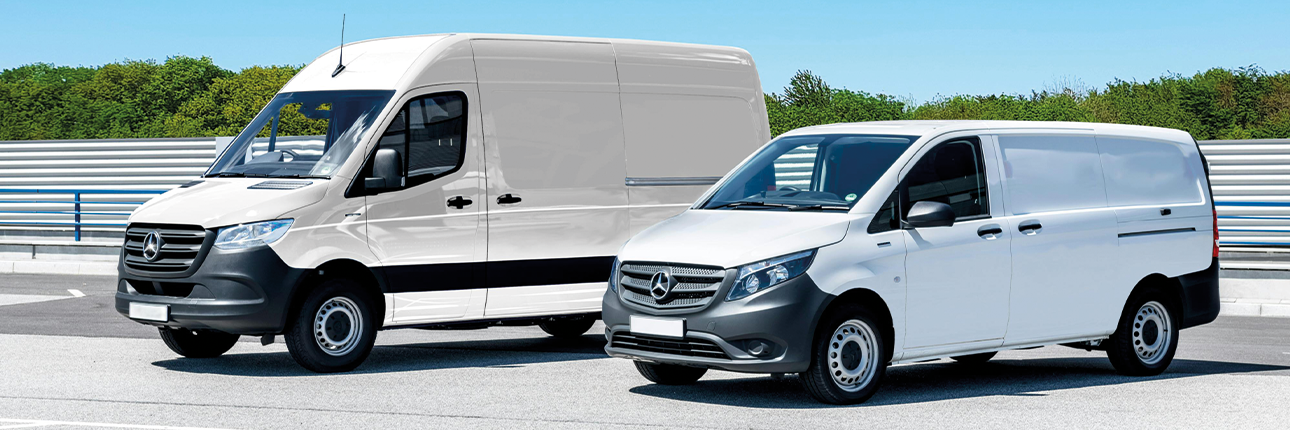
Van speed limits in the UK
11 Feb 2026
In the UK, it could be assumed that driving rules for car and van drivers are the same but this is not the case. Most vans have lower national speed limits than cars as heavier vehicles take longer to stop and are less manoeuvrable. With speeding penalties, fines and even driving bans being a result of not sticking to the speed limit, we have outlined everything you need to know about driving your van on UK roads.
How van classifications affect speed limits
It’s important to know how your van is classified as this determines whether your van should follow van speed limits or car speed limits. If you are unsure what your van classification is, you can find this in your vehicle logbook or check the DVLA website.
Car derived vans and dual-purpose vehicles
These are the small vans built on car platforms and typically weigh under two tonnes. These vans follow the UK speed limits for cars.
The speed limits for car derived vans and dual-purpose vehicles are:
- Built‑up areas: 30 mph (20 mph in Wales)
- Single carriageways: 50 mph
- Dual carriageways: 60 mph
- Motorways: 70 mph (or 60 mph if towing)
Standard vans and light commercial vehicles (under 7.5 tonnes)
The majority of commercial vans in the UK sit in this category. These vehicles must follow van speed limits which are lower than car limits on faster roads.
The speed limits for standard vans and light commercial vehicles are:
- Built‑up areas: 30 mph (20 mph in Wales)
- Single carriageways: 50 mph
- Dual carriageways: 60 mph
- Motorways: 70 mph (or 60 mph if towing)
Your van’s weight classification can change depending on load so always know your Maximum Authorised Mass (MAM).
Heavier goods vehicles (Over 7.5 tonnes)
Larger vehicles fall into stricter categories, especially in Scotland, where limits are lower than in England and Wales. Again, these vehicles must follow van speed limits.
The speed limits for standard vans and light commercial vehicles are:
- Built‑up areas: 30 mph (20 mph in Wales)
- Single carriageways: 50 mph
- Dual carriageways: 60 mph
- Motorways: 60 mph
Regional differences across the UK
Speed limits aren’t completely uniform across the UK, so it’s worth knowing the key differences.
England
Standard UK van limits apply.
Scotland
Heavier goods vehicles (over 7.5 tonnes) have lower limits:
- 40 mph on single carriageways
- 50 mph on dual carriageways
Wales
Introduced the default 20 mph limit in built‑up areas for all vehicles.
Northern Ireland
Follows a similar approach to England and Scotland (no 20 mph default).
These variations matter if you travel across regions regularly.
Tips for driving your van in the UK
- Important things to remember when driving your van in the UK include:
- Knowing your van’s weight and classification
- Being aware of the road speed limits in the area you are driving
- Keep an eye out for roadside signs for change of speed limits and smart motorways
- Consider using technology to control your speed such as speed limiters, cruise control or a sat navigation. The latest vans from Mercedes-Benz include these features.
- Check manufacturer details for your vehicle’s MAM.